


Rewilding is about letting nature lead the way in repairing degraded and damaged ecosystems. According to the IUCN Commission on Ecosystem Management, rewilding is a process aimed at restoring self-sustaining, resilient ecosystems that are “nature-led” and “human-enabled.” It focuses on reinstating the natural processes that would occur in the absence of human interference. But what does this mean specifically for our forests?
Looking for synergies among Horizon projects
Recently, representatives from our consortium member, Wild Europe Stichting, attended the 2nd Rewilding Forum of the WildCard project (also funded by the EU Horizon Europe scheme) in Freising, Germany. The WildCard project focuses on scientifically assessing two primary rewilding pathways:
- Rewilding abandoned agricultural lands.
- Proforestation: The halting of active management in existing forests to allow them to reach their full ecological potential.
Linking these rewilding strategies to forest management makes the forum’s outcomes highly relevant to the implementation of FORbEST project. Wild Europe coordinates Task 1.5 which aims at providing information about the forest management preferences of our Living Labs. The various rewilding strategies are among those potential management practices which our project can consider.
From Plantations to Old-Growth
The ultimate goal of rewilding is to create wilder, self-sustaining natural areas that support a diverse array of native plants, animals, and microorganisms—effectively reversing the impacts of intensive human management. As a practice, rewilding allows us to move away from the “neat and tidy” rows of plantation forests, instead increasing forest naturalness and encouraging the development of complex old-growth characteristics.
The Human Element: Economics and Social Impact
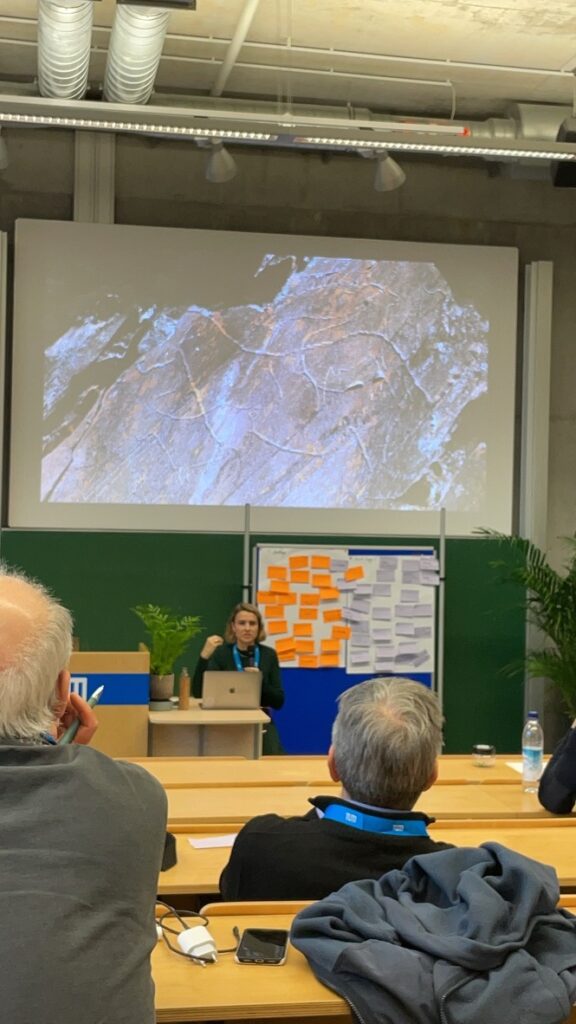
The first day of the forum focused on the “rewilding spectrum” and the critical factors to consider when initiating these projects. Participants agreed that economic and social aspects are vital to success. When shifting forest management toward rewilding or allowing natural afforestation on former agricultural land, the “beneficiaries” must be clearly defined.
Once beneficiaries are identified, potential funding streams can be established. Attendees highlighted the importance of financial incentives through payments for forest ecosystem services (PES), particularly for non-extractive services like carbon sequestration and storage, supporting water resilience, and biodiversity for instance through the Nature Credit initiated by the European Commission.
A Bavarian Case Study: Proforestation in Practice
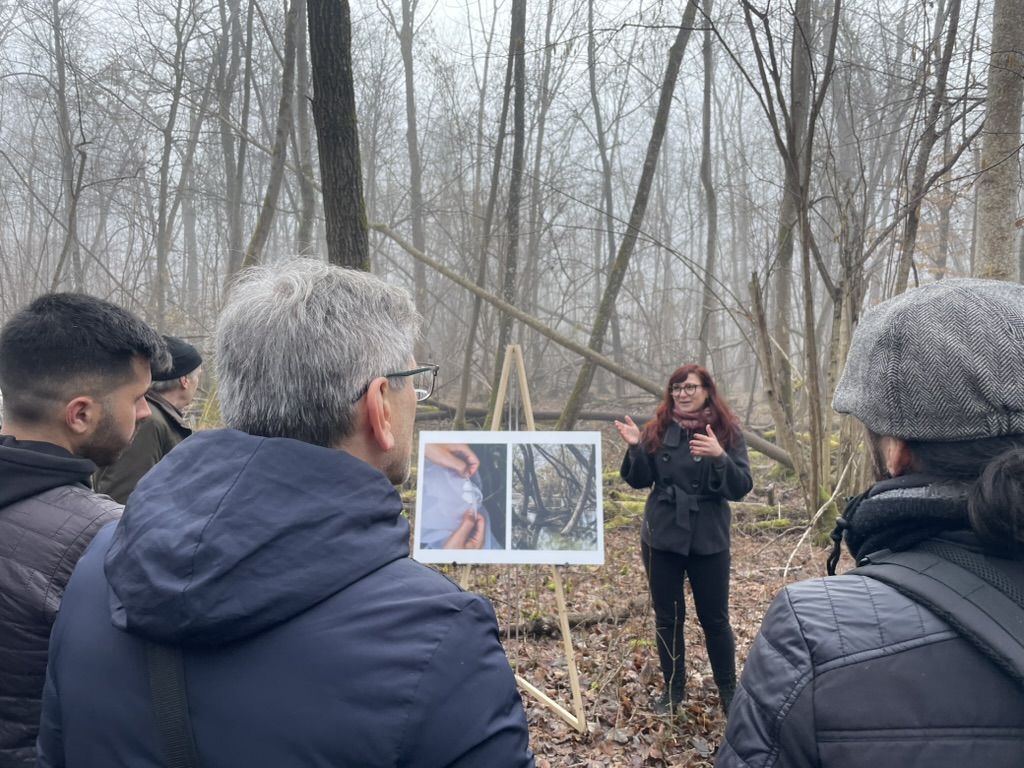
The second day featured a field trip to the Exchanger Lohe forest reserve in Bavaria, a perfect living example of proforestation. Originally used to supply tannin to local residents, the area was designated for strict protection in the 1970s. Natural processes continued to form the forest, which is constantly monitored with a special focus on the plant diversity. Beyond the scientific monitoring of the reserve, the WildCard project introduced a unique approach to connecting rewilding with society: the role of the arts. By involving artists to translate rewilding concepts through sculpture and music, the project demonstrated how “rewilding hearts and minds” resonates differently across various cultural backgrounds.