


Can European forests still help us fight climate change?
Europe’s recent heat dome provides a lesson on how forests are responding to accelerating climate change. Forests are expected to store carbon and help mitigate climate change—but can they continue to do so as heat and drought intensify? At this time the FORbEST project is in the initial stage of exploring this emerging question.
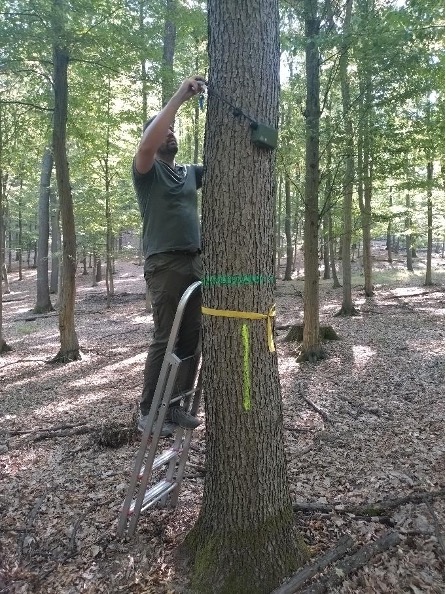
In August, we collected the bioacoustic devices
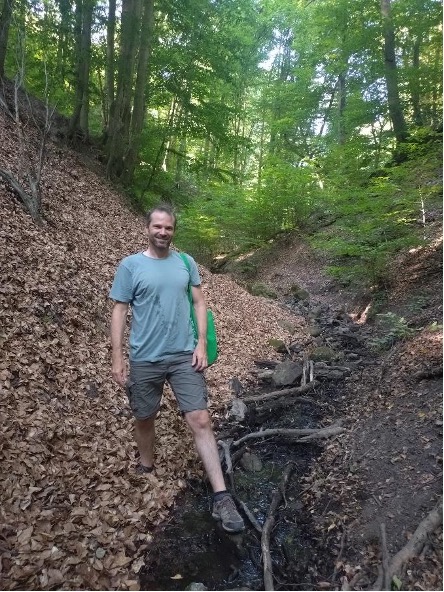
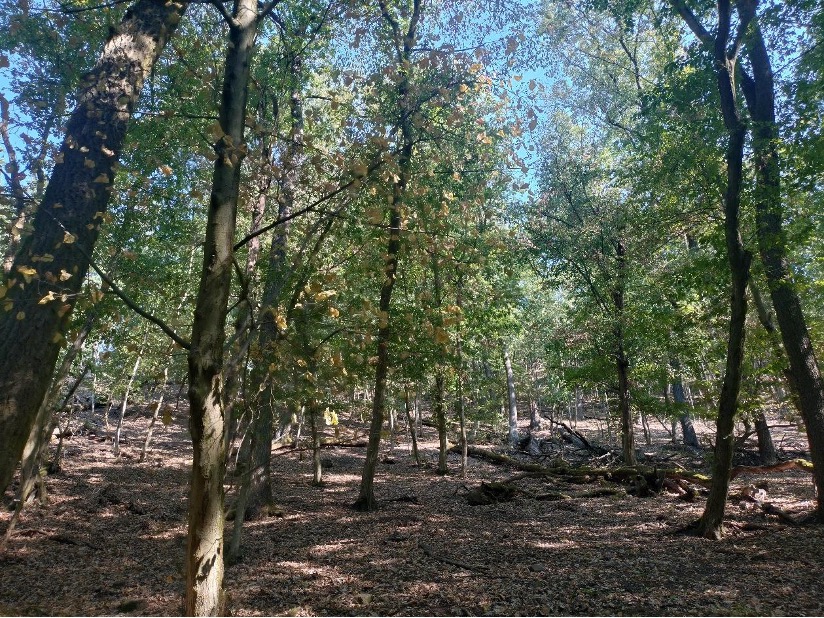
installed in our research plots to record bird songs in early spring. Surveys of vascular plants and forest stands are ongoing. During this summer’s field work, what we are experiencing is striking: the forests are unusually silent, leaves are already falling, and drought is extreme. We are losing trees, and action is crucial.
When forests become stressed
Besides reducing greenhouse gas emissions, increasing carbon sequestration – i.e. the forests’ ability to capture and store carbon dioxide from the atmosphere – is often proposed as a way to mitigate climate change. However, forest carbon uptake strongly depends on water availability. During extreme heat and drought, photosynthesis and carbon sequestration decline.
As heat and drought intensify, protecting existing forests and restoring their ability to retain water become increasingly important. When water is scarce, transpiration—the process through which trees release water and cool themselves—declines. Leaves become hotter, which can lead to premature yellowing and leaf fall, crown dieback and, in severe cases, tree mortality.
Building drought-resilient forests
Forest structure is central to climate change adaptation and mitigation. The forest climate is best preserved by intact forest landscapes, where the canopy remains relatively closed, the level of human induced fragmentation, disturbances are low. Thus, the microclimate during heat is better preserved At the European level, it is crucial to increase the area of forests excluded from economic activities and to create wilderness areas, both for climate protection and biodiversity conservation.
Where timber production takes place, management systems that maintain continuous forest cover should be given priority. Continuous-cover management, with small-scale harvesting patches, uneven-aged and mixed-species stands, can help maintain a cooler microclimate, reduce evaporation and increase ecosystem resilience. Reducing excessive browsing by large herbivores, such as moose and deer, is also important because browsing limits natural regeneration and damages vegetation that protects the soil and supports water infiltration.
Water retention should be improved at both forest and landscape scales. Locally sourced log check dams and debris traps can slow runoff and increase infiltration. Forest roads can rapidly drain water away, and thus redirecting runoff into forests can help retain water and reduce erosion and protect the quality of forest streams. A dense road network, on the other hand, reduces the forest’s natural water retention and often impacts forest stream quality (temperature, dissolved oxygen, and quality) for fish and downstream users alike.
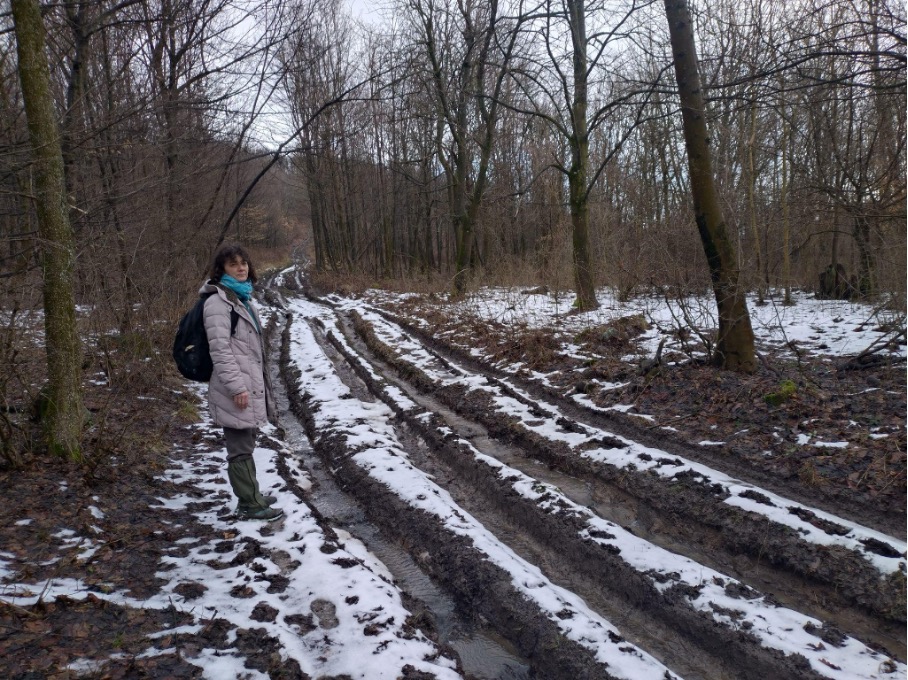
It’s almost hard to believe, but the pictures prove it: during the selection of the FORbEST research plots in the Pilis Mountains in February 2026, water was running down the slopes… We miss that.
Forests are more than carbon stores
Even old-growth forests more than 600 years old can remain net carbon sinks – meaning that they can absorb more carbon dioxide from the atmosphere than what they release. But in a rapidly warming and drying climate, we should be happy if even young forests that tend to absorb carbon faster than old ones are able to adapt to drought and continue to store carbon as they grow and develop over time.
Drought not only reduces forest productivity but can potentially turn forests from carbon sinks into carbon sources. Forest carbon uptake depends on sufficient water conditions that are becoming increasingly limited. Forests should not be expected to compensate for continued greenhouse gas emissions from industry, transport, and households. Releasing fossil carbon from geological reservoirs is a fundamentally different process from the carbon circulating through living ecosystems. Therefore, the aim is not to maximise carbon storage, but to maintain multifunctional, resilient forests that can adapt to a hotter and drier climate. Forests provide habitat, regulate water and temperature, protect soils, and support biodiversity. Protecting existing forests and improving water balance could help ensure that carbon sequestration, biodiversity, and other ecosystem services are not lost.
By Péter Koncz, koncz.peter@ecolres.hu
HUN-REN Centre for Ecological Research, Hungary
For more blog posts and other updates, see Updates – FORbEST project