


FORbEST’s FOREST LIVING LABS
Co-creating the future of forestry
To learn more about each Living Lab click on the map and you can read more about the Living Lab in each national language. Short summaries of each Living Lab are also available in English at the end of this page.
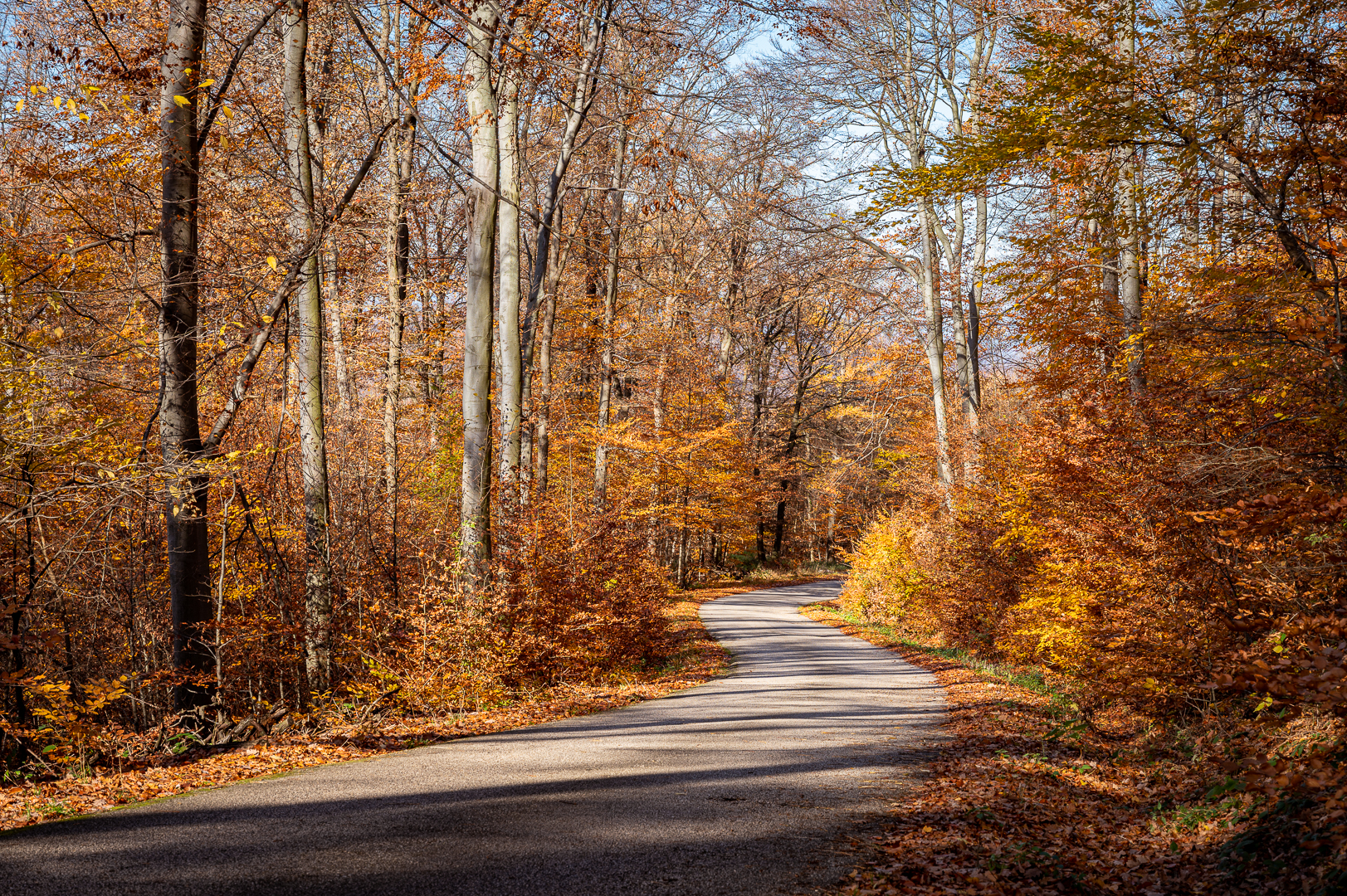
Pilis Mountain, Hungary. Photo: Vajda Bertalan, Pilis Park Forestry/Pilisi Parkerdő Zrt.
What are our Living Labs?
They connect scientific research with local knowledge and practical experience, supporting solutions that can improve forest resilience, biodiversity conservation and sustainable management through continuous dialogue between different categories of stakeholders. Living Labs facilitate the translation of research results into applied practice and contribute to the development of solutions adapted to local needs and context.
Sila National Park, Italy. Photo: Jordan Palli, University of Tuscia
Nam Ki village, Thawang Pha district, Nan province. Photo: Chaya Vaddhanaphuti, Chiang Mai University
Our objectives
- Bring together researchers, forest and protected area managers, local communities and other relevant stakeholders
- Facilitate knowledge exchange and dialogue on biodiversity-friendly and climate-resilient forest management approaches
- Improve stakeholders’ understanding of new forest management approaches in the context of climate change
- Identify, explore, discuss and promote innovative forest management practices based on scientific evidence, local knowledge and practical experience
- Provide feedback and stakeholder perspectives to FORbEST research activities and contribute to shaping relevant research questions and solutions
- Support the transfer of project results and good practices into forest management and decision-making at local, regional and national levels
- Strengthen long-term collaboration and stakeholder involvement in forest management beyond the lifetime of the FORbEST project
Participatory Action Research at the Heart of FORbEST Living Labs
FORbEST Living Labs are guided by principles from Participatory Action Research and related methodologies. These principles emphasise how diverse voices can be brought into active mutual engagement, in facilitated and incremental ways that address perceived or real power imbalances. As our Living Labs are where different ways of knowing and valuing forests meet, we focus on creating structures for learning to flow from practitioners and local stakeholders to scientists and governance actors, and vice versa. They are a shared space for dialogue and exchange, concrete support, and shared design of practical action.
FORbEST Living Labs are supported by Work Package 2 (WP2). WP2 lead the setup of Living Labs (LLs) by supporting Living Lab managers (LLMs) and facilitating collaboration between FORbEST researchers and members of the Consortium. Our study brings forward the concept of forests as social-ecological systems and is grounded in practices from the social sciences. In this context forests are seen as a connected community where both people and nature are part of the system and not seen as separate actors.
FORbEST Living Lab Profiles
Nan Living Lab, Thailand
The Nan Living Lab, centered in Nan province, northern Thailand, serves as an interactive platform for advancing forest co-management around Nanthaburi National Park. The Nan Living Lab fosters a shared learning space for just and sustainable forest management.
Pilis Living Lab, Hungary
The Pilis Living Lab operates within one of the forestry units of Pilisi Parkerdő Zrt., one of the most valuable and most visited forest areas of the Pilis Mountains to understand how different management methods influence the naturalness and ecological condition of forests.
Romania National Living Lab, Romania
The Romania National Living Lab consists of multiple national and nature parks in Romania. Its goal is to facilitate shared learning and exchanges concerning participant’s experiences and perceptions of biodiversity and climate friendly forest management practices.
Šumava Living Lab, Czech Republic
The Šumava Living Lab is located within the Šumava National Park in the Czech Republic. It aims to connect research and practice, facilitate knowledge exchange on forest management, biodiversity and carbon, and support collaboration across stakeholders.
Kivalo Living Lab, Finland
The Kivalo Living Lab consists of the Kivalo Research Forest in northern Finland. A central objective is to generate feedback and a shared understanding of what kinds of forest management and land-use practices are considered acceptable, fair and sustainable by participant groups.
Living Lab Sila, Italy
The Living Lab Sila, which is established in the Sila National Park (Southern Italy), aims to find a balance between the sustainable use of forest resources and nature conservation.
Updates
